
DC Charter Schools Take Center Stage at National School Wellness Symposium
On the morning of June 9, as health community leaders from across the country arrived at Children's National Hospital Research and Innovation building for the School Wellness Symposium, on the other side of town, patients and medical staff were being greeted by something they hadn't expected: student performers from Richard Wright Public Charter School filling the hospital atrium with music, their performance streamed live to patients throughout the building.
The performance wasn't part of the day's formal program. It was something else: an example of the ongoing relationship between DC schools and Children's National that plays out in ways large and small, planned and spontaneous, inside symposium rooms and outside them.
Thirty Years of Building Something Different
Since the DC School Reform Act passed more than 30 years ago, DC's public charter schools have grown to serve nearly half of all public school students citywide. Over the last three decades, the sector has earned a reputation not just for academic results—10 public charter schools have earned the National Blue Ribbon Schools designation—but for a particular approach to what a school can be: an anchor institution that treats partnerships as essential, and that measures its reach not just by what happens in classrooms but by what it makes possible for students, families, and the broader community.
That approach was why national health leaders came to DC last month. And it was on full display before the formal program even began.The day before the symposium, a group of symposium participants (more than 40 community health leaders from 23 hospital and school-based systems across the nation) visited two public charter schools that have designed wellness into the core of who they are.
School Spotlight: Briya Public Charter School
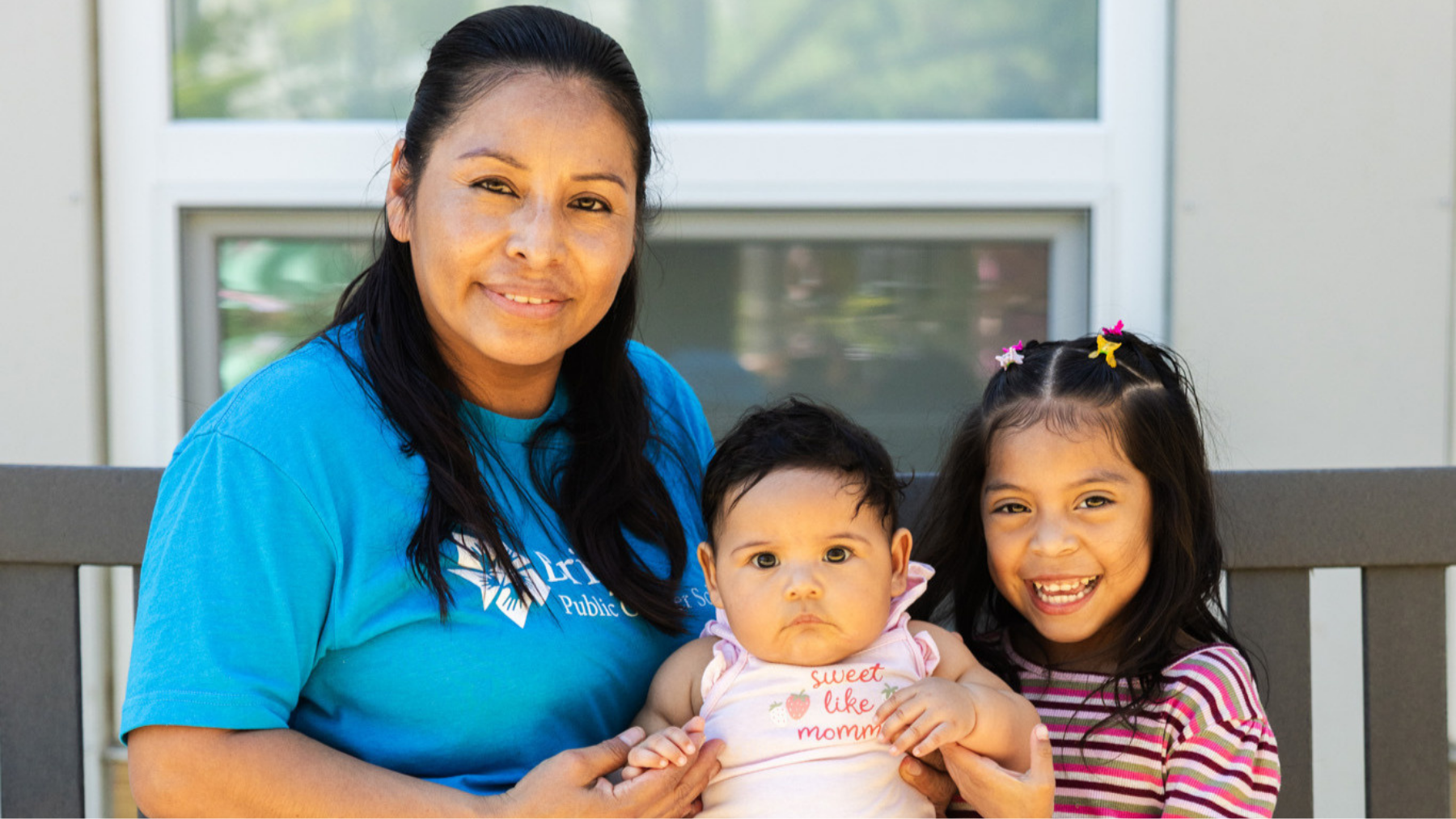
Briya PCS’s model offers early childhood education alongside adult learning, enabling both generations to attend school in one building, with supports and resources designed for both the whole family.
At Briya Public Charter School, which takes a unique two-generation approach, visitors saw what it looks like when a school extends its mission to entire families. Co-located with Mary's Center, a federally qualified health center, Briya operates on what Executive Director Christie McKay calls a "shared social change model, where education, healthcare, and social services are offered under the same roof" — based on the recognition that a child's health and a parent's economic stability aren't separate problems.
The partnership goes beyond shared space: Briya's Medical Assistant Program is a tuition-free, 12-to-15-month workforce development course that prepares adult students, many of them parents of Briya children, to become nationally certified Registered Medical Assistants through classroom instruction, hands-on clinical training, and an externship with Mary's Center. Graduates enter a healthcare workforce DC desperately needs, and, as McKay put it, the model is already delivering "long-lasting, positive outcomes for families."
"We were honored to welcome this group of leaders who are interested in strengthening school-healthcare collaboration," she said of the visit.
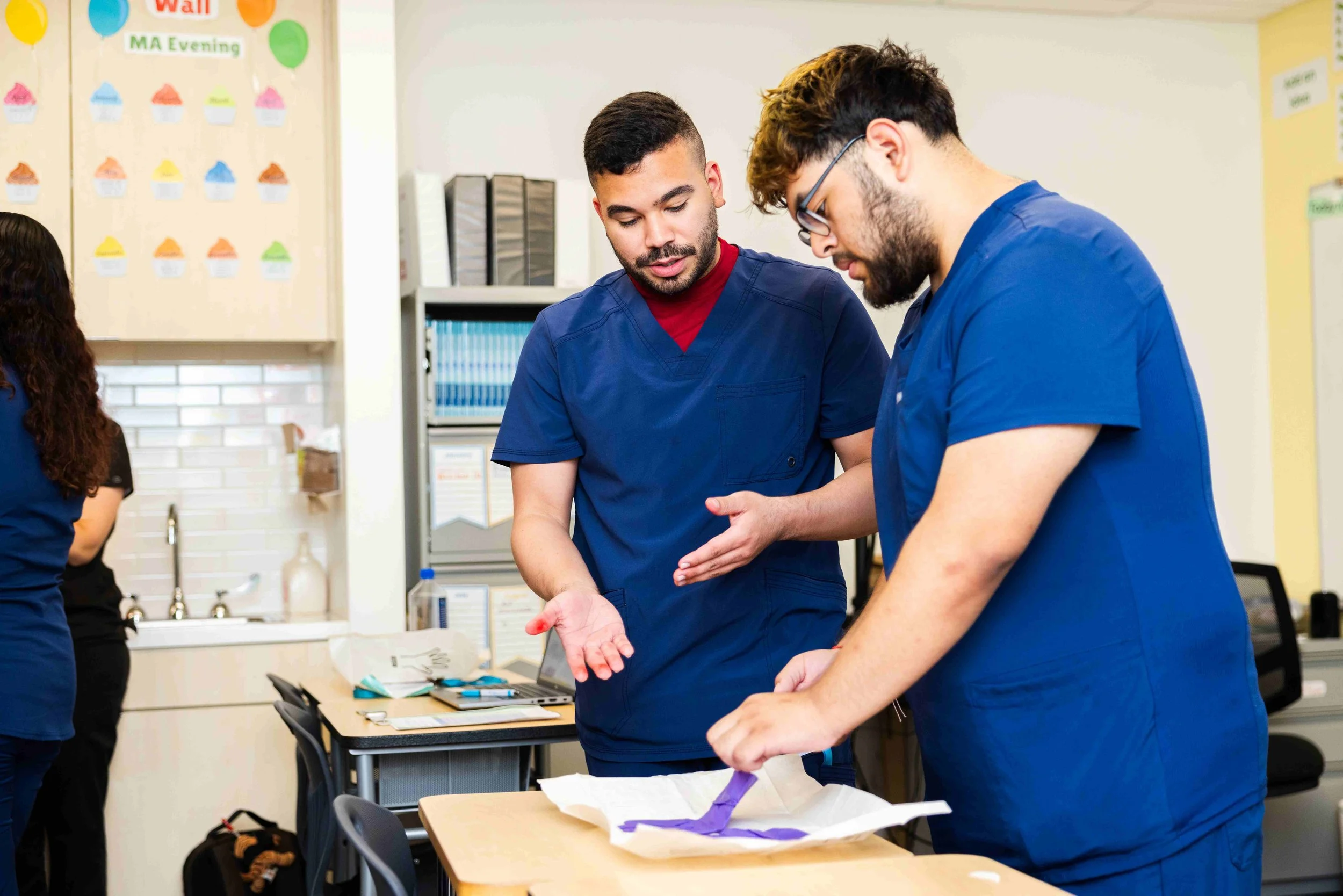
Students in the Medical Assistant Program collaborate on a class project.
School Spotlight: DC Bilingual Public Charter School
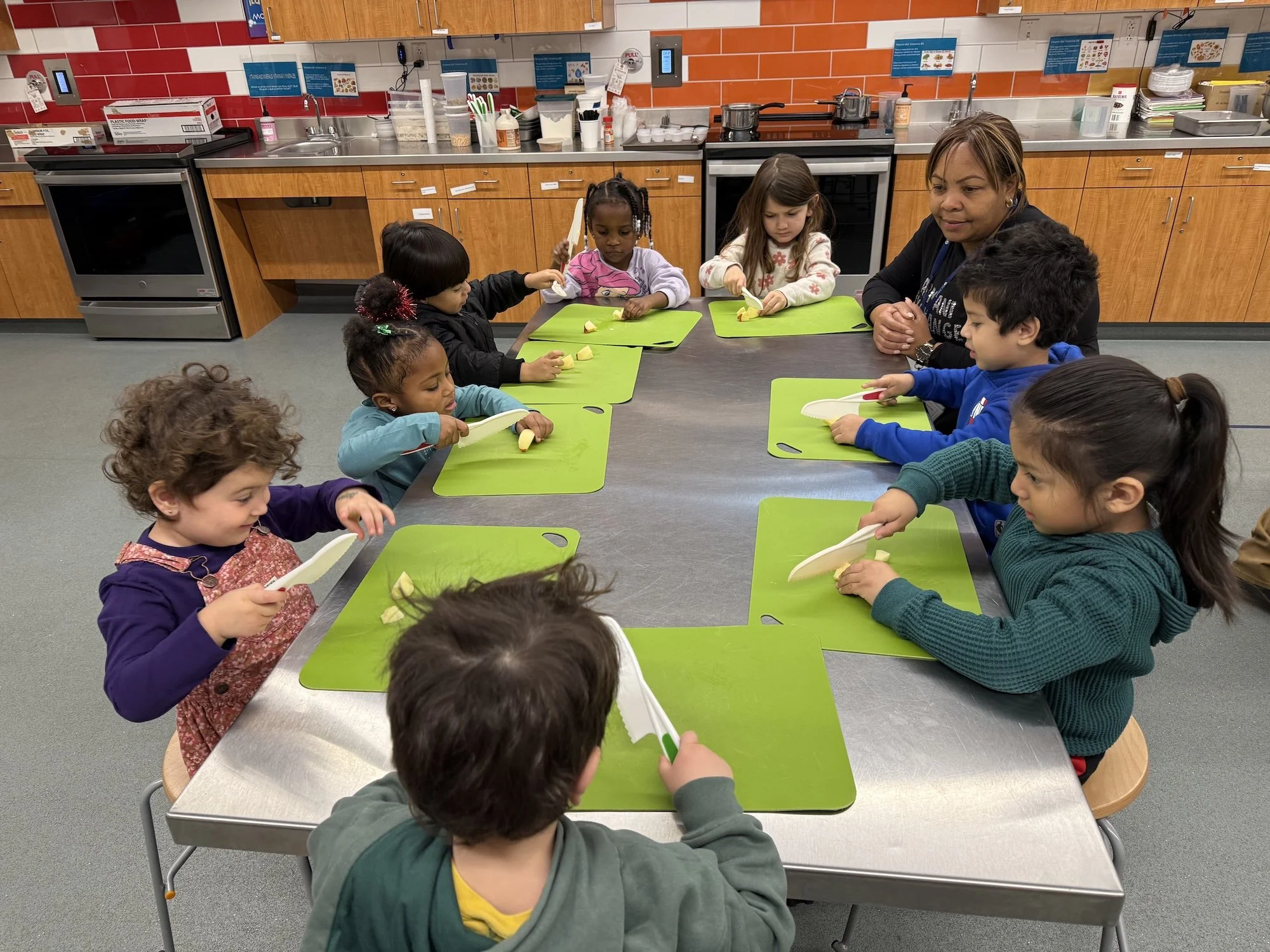
DC Bilingual students gain hands-on nutrition and food safety skills in their Food Lab.
DC Bilingual Public Charter School offered a different model of the same commitment. Through its Community Kitchen, Food Lab, and Culinary and Gardening Education program, supported by the Emeril Lagasse Foundation, DC Bilingual gives students direct experience with nutrition and food systems and uses food and community meals to engage families and students across lines of difference and language. Its partnership with Children's National has also helped integrate health supports into daily school life.
Together, the two schools made a quiet but specific argument to the national visitors: that DC's charter sector has developed approaches to student and family wellness that are worth studying, and that the city's status as a place of educational innovation rests, in part, on what charter schools have built here.
DC at the Center of a National Conversation
What makes these models replicable isn't any single program. It's a culture of partnership that has been developed over three decades. The wellness work on display during those site visits didn't emerge from a mandate. It emerged from schools that identified what their students and families needed and then created the relationships to provide it.
That culture, which spans across both sectors, was visible throughout June 9 — in sessions on health data and school attendance, in exchanges with hospital systems from Pittsburgh, Cincinnati, and Orange County, and in the DC charter presence that opened and closed the symposium. National health leaders didn't travel to DC to observe. They came to learn.
That lesson closed the symposium too. Nicole Travers, the Alliance's Senior Director of Strategic Partnerships, delivered the closing remarks, emphasizing the impact school-based health programs have on students and families. Drawing on her own experience as a DC school leader — she spent nearly two decades running a high-need public charter high school in Ward 7 — Travers said she learned quickly that “academic success required more than strong instruction: it required a network of community partnerships and wraparound supports to make sure students were ready to learn each day.”
Recognition Without Investment Is Not Enough
Even as DC's public charter schools were being recognized as national models, the city is cutting the very infrastructure that helps drive school-based health work: budget reductions that threaten programs placing health professionals directly in school buildings, across both public charter and traditional public schools.
Travers puts it plainly: "When a health professional is removed from a school building, students don't just lose access to a nurse or a counselor. They lose the first adult who might notice something is wrong — the consistent presence, the trusted face, the person positioned to intervene before a small problem becomes a serious one."
She added: “DC has earned its reputation as a place that takes seriously what students need to thrive. Protecting the school health infrastructure that supports it, across charter and traditional public schools alike, is how we maintain that reality for DC students.”
The Richard Wright students who performed in that atrium weren't there for the symposium. They were there because DC schools and Children's National have built the kind of relationship where that visit makes sense — where a school can show up for a hospital, and a hospital opens its doors in return. That relationship, replicated across the city in different forms, is what three decades of DC public charter schools have helped produce. The question now is whether the public investment will be there to sustain what that work has made possible.
